Kneipp
Kneipp is a 19th-century naturopathic health teaching by the priest Sebastian Kneipp. Best known are cold affusions and water treading, but exercise, nutrition, medicinal plants and a balanced rhythm of life are part of it too.
- Origin
- Bad Wörishofen, Sebastian Kneipp, 19th century
- Five pillars
- Water, exercise, nutrition, plants, balance
- Typical
- Affusions, water treading, arm baths
- Suits
- Circulation, sleep, hardening
Sebastian Kneipp (1821 to 1897) worked as a priest in Bad Wörishofen in Bavaria. He was convinced that cold water strengthens the body and developed over a hundred water treatments. His teaching rests on five pillars: water, exercise, nutrition, medicinal plants and order of life.
Typical are the knee affusion, the arm bath and water treading, walking like a stork through cold water. The stimuli are short and are meant to stimulate circulation. Many feel warmth and alertness afterwards.
Kneipp practice has been on Germany's national inventory of intangible cultural heritage since 2015. It is simple, inexpensive and easy to continue at home. That is its strength.
Good to know
- Cold treatments only on warm skin, never when you feel cold.
- With cardiovascular disease, check with a doctor first.
- You can copy water treading in any bathtub with cold water.
At Luxly
Houses where you can experience it:
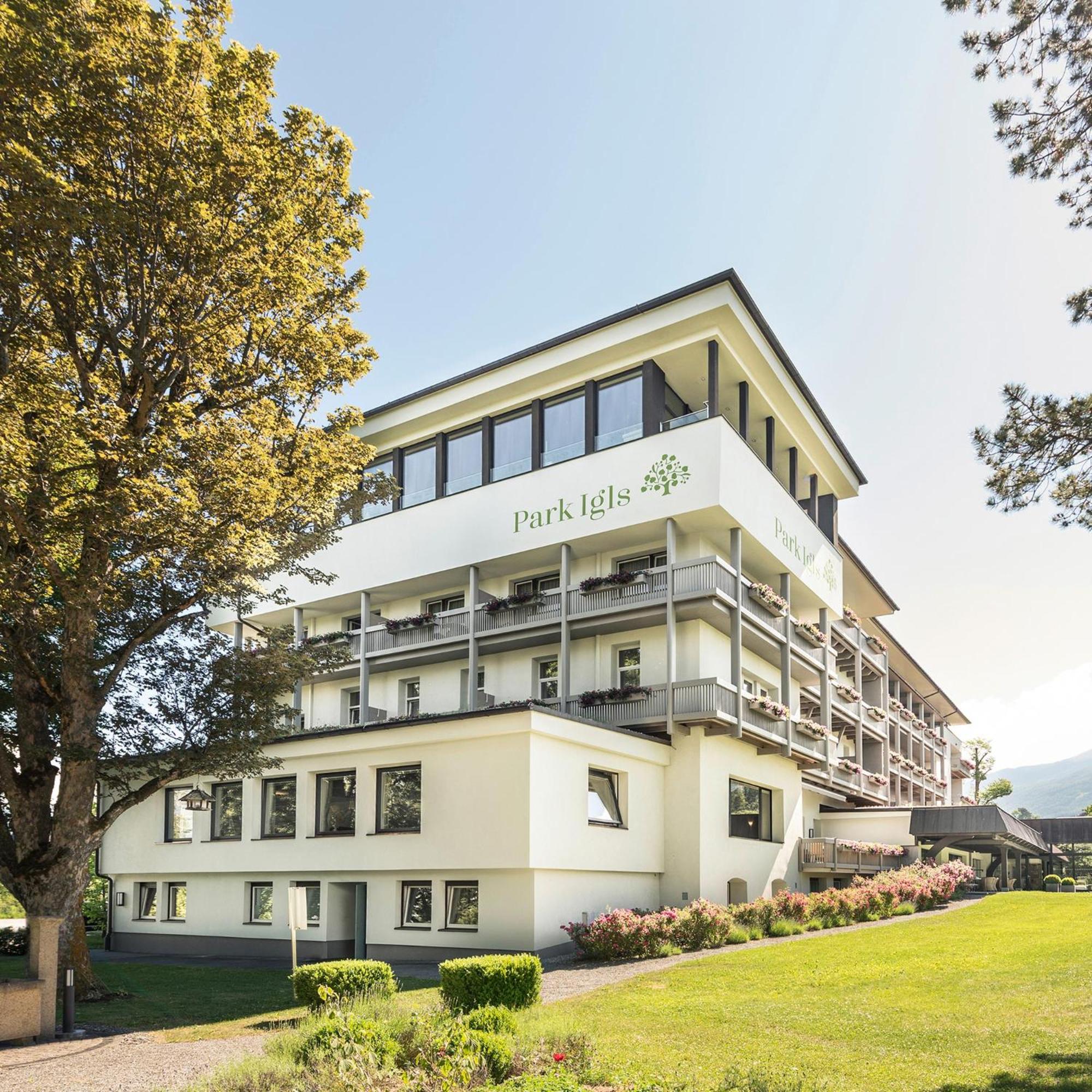 Park IglsIgls near Innsbruck, TyrolKneipp treatments are part of the Mayr cure here.
 Waldhotel Health & Medical ExcellenceBürgenstock, Lake LucerneIts own Kneipp facility alongside pools and saunas.
Frequently asked questions
What is water treading?
You walk like a stork through knee-deep cold water, lifting each leg fully out of the water. Stop after about 30 seconds or when it gets unpleasantly cold.
Does Kneipp help you fall asleep?
Many find a short cold foot bath or water treading in the evening calming. The evidence is mostly experience rather than studies.
Related terms
Updated on 17 October 2026